



A lively online community may look effortless from the sideline; questions are being answered, ideas are being shared, no single voice is dominating.
That all happens only with intentional design.
Anyone who has attempted to build an online community from scratch knows the truth: organic engagement doesn’t happen overnight. In fact, it typically takes several months, often more than a year, before community members begin regularly posting on their own. And during that time, there is a community professional doing an enormous amount of invisible work to create and encourage those early activities.
Here’s why that slow, methodical ramp‑up is necessary and why expecting organic activity overnight will leave you disappointed. Let’s dive into what’s really happening behind the scenes. ⬇️
Why Organic Activity Takes Months
1. Trust must be earned before people are comfortable speaking up
In a new community, members are essentially walking into a room full of strangers. Even if they’re professionals in the same field or customers of the same product, they don’t yet know:
- What’s socially acceptable in this space
- Whether their contributions will be valued, or even noticed
- How the group prefers to communicate
- Whether the space is safe – both for their personal data and for their new ideas and vulnerable questions
Humans rarely take an action as vulnerable as writing out and posting their thoughts or speaking up during a live meeting until they’ve observed the group culture long enough to feel confident they won’t be ignored, corrected, or judged. That trust-building period alone can take months of a member just observing.
But when a community is young or doesn’t have established rhythms. There isn’t much to observe yet. We’ll get to that in the next section.
2. Members need to understand the purpose of the space
The reason you created the community might be obvious to you and staff, but it’s rarely so obvious to existing and prospective members. They will need time and clear communication to understand:
- What kinds of conversations belong in the new online community
- What value they can get from participating
- What value they can offer that fits the space
Until that clarity becomes tangible, most people will only quietly consume. They’re not necessarily disengaged, they’re learning the norms and evaluating if the community is aligned with their specific needs and interests. This is a crucial time for the community and your members.
3. Time is a finite resource, and engaging requires effort
Even highly interested members often need multiple exposures before they take action. They may log in, scroll, read, and leave several times before they are ready to add their voice to the conversation. Posting requires cognitive effort: thinking of something to say; putting it into words; deciding whether it’s a perspective that will be welcomed by other members of the community.
Organic participation in communities grows only where there is consistent momentum and clear opportunities to jump in. That momentum takes time and hidden effort of your staff and volunteers to generate and facilitate.
The Hidden Work of the Community Manager
While the new community may appear quiet as trust is being built, the community manager is wildly working away at difficult tasks, doing their best to make them look effortless within the community. The best phase and then first months post-launch are the most labor‑intensive part of the community lifecycle.
1. Seeding content that looks natural, not forced
A community manager must curate:
- Thoughtful discussion prompts
- Helpful resources
- Timely questions
- Relevant conversation starters
And they must do it in a way that feels authentic – not like a scheduled marketing campaign. This requires deep understanding of the audience, constant experimentation, and working closely with volunteers and early adopters.
2. Personally welcoming and onboarding members
Even when you are using automation and AI, adding additional real human touch points are incredible valuable to members. Behind the scenes, the community manager is:
- Sending highly personalized messages
- Tagging new members in relevant threads
- Introducing people with shared interests
- Encouraging first-time posters privately
- Building relationships – the bedrock of all communities
These one‑to‑one touches are invisible to the community, and often to other staff, but they are essential for building comfort and belonging early.
3. Facilitating connections like a social architect
Organic conversations don’t just “happen.” Though posts may look organic, there was likely an unseen nudge. The community manager is actively:
- Connecting members with similar challenges
- Inviting subject‑matter experts to weigh in
- Discovering new SMEs within the membership
- Encouraging quieter members to participate in ways that fit their needs
- Ensuring as few posts as possible go unanswered
They’re essentially choreographing interactions until members feel comfortable in the flow and begin participating with less prompting.
4. Monitoring sentiment and adjusting strategy
During the early months, the community manager is constantly analyzing:
- What types of posts get responses
- Which topics fall flat
- When members are most active
- Who is most active, and who isn’t
- Which events have high attendance
- What barriers are preventing participation
They refine the community’s tone, content strategy, and engagement approach based on these insights in real time.
5. Modeling the behavior they want to see
Community managers and community volunteers (trained and managed by the community manager) set the cultural tone. They demonstrate:
- How to ask good questions that are more likely to get responses
- How to respond respectfully, setting language norms
- How and where to share feedback, new ideas, and thoughtful questions
- How to disagree constructively and uphold the community’s Code of Conduct
Members learn by watching these early interactions take place.
To build the community culture you want, specifically design these early experiences and have the community manager, volunteers, and other relevant staff visibly interact with one another first. Don’t wait to set the example for the rest of the community members.
When the Shift Happens, the Work is Not Done
After several months of consistent behind‑the‑scenes work, something magical happens: members are very likely to begin to trust the space, understand its value, and intuitively feel connected to others. That’s when organic posting starts to appear.
It’s not sudden. It’s not accidental. It’s the result of deliberate, skilled, relationship‑driven work by the community manager.
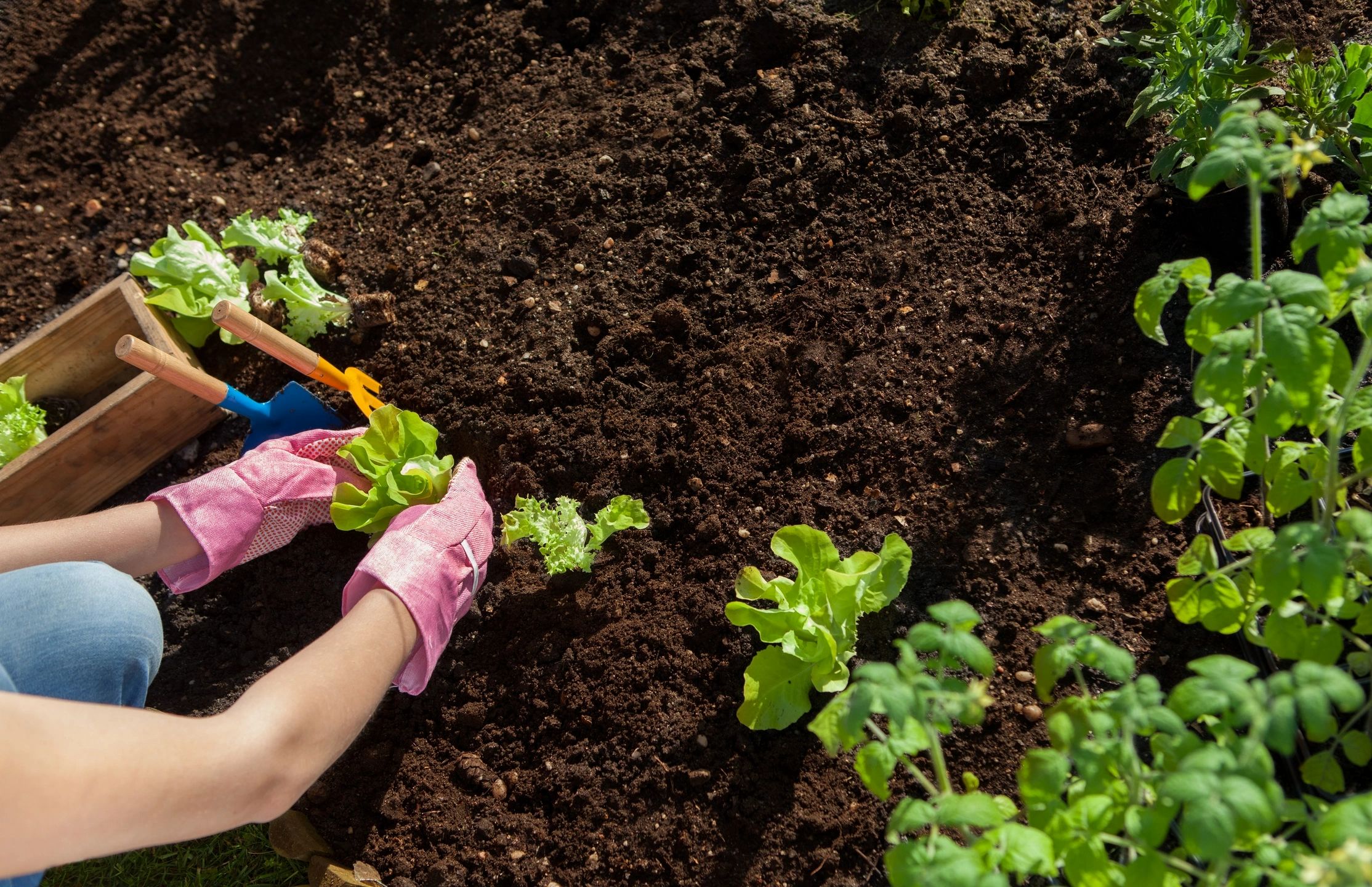
The early months of a community are like the early months of a garden. You don’t see much happening above the soil, but beneath the surface, roots are forming. The community manager acts as the gardener watering, weeding, planting, and nurturing long before anything blooms. 🌻
When organic engagement finally appears, it’s not a sign that the community manager’s work is done. It’s a sign that their foundational work was successful.